
How Pasture-Raised Chicken Cooks Differently
People who try pasture-raised chicken for the first time often notice that it behaves a little differently in the kitchen. That’s not a flaw — it’s a reflection of how the chicken was raised.
Pasture-raised chicken tends to be leaner, more active, and less uniform than conventional grocery store chicken. Understanding a few simple differences can help you get the best results and enjoy the flavor it offers.
Why Pasture-Raised Chicken Is Different
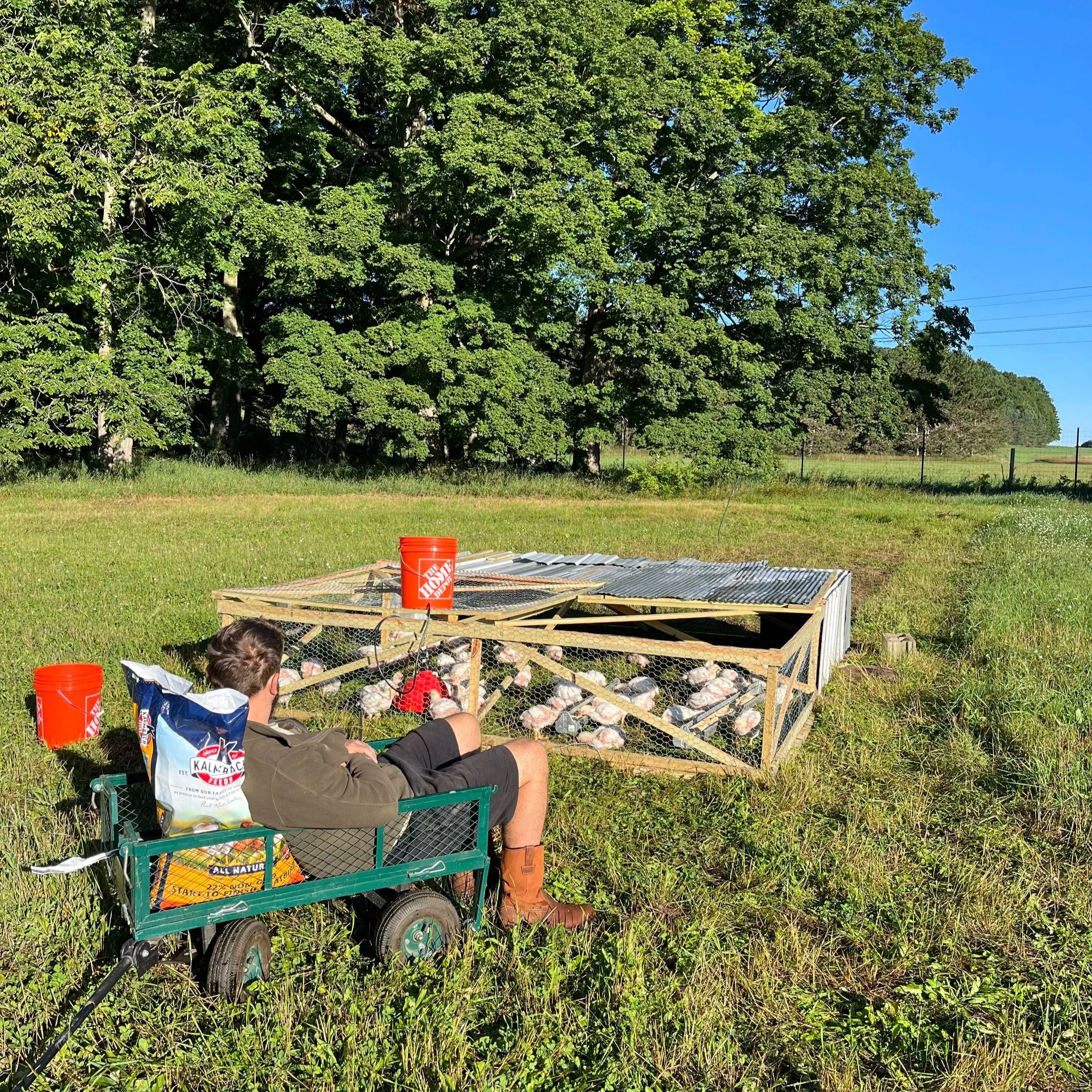
Chickens raised on pasture move more, spend time outdoors, and grow at a more natural pace. As a result, their muscles develop differently than chickens raised in confined, high-density systems.
This usually means:
Less excess fat
Slightly firmer texture
More pronounced chicken flavor
These qualities are part of what many people value about pasture-raised chicken, but they also affect how it cooks.
Pasture-Raised Chicken Is Leaner
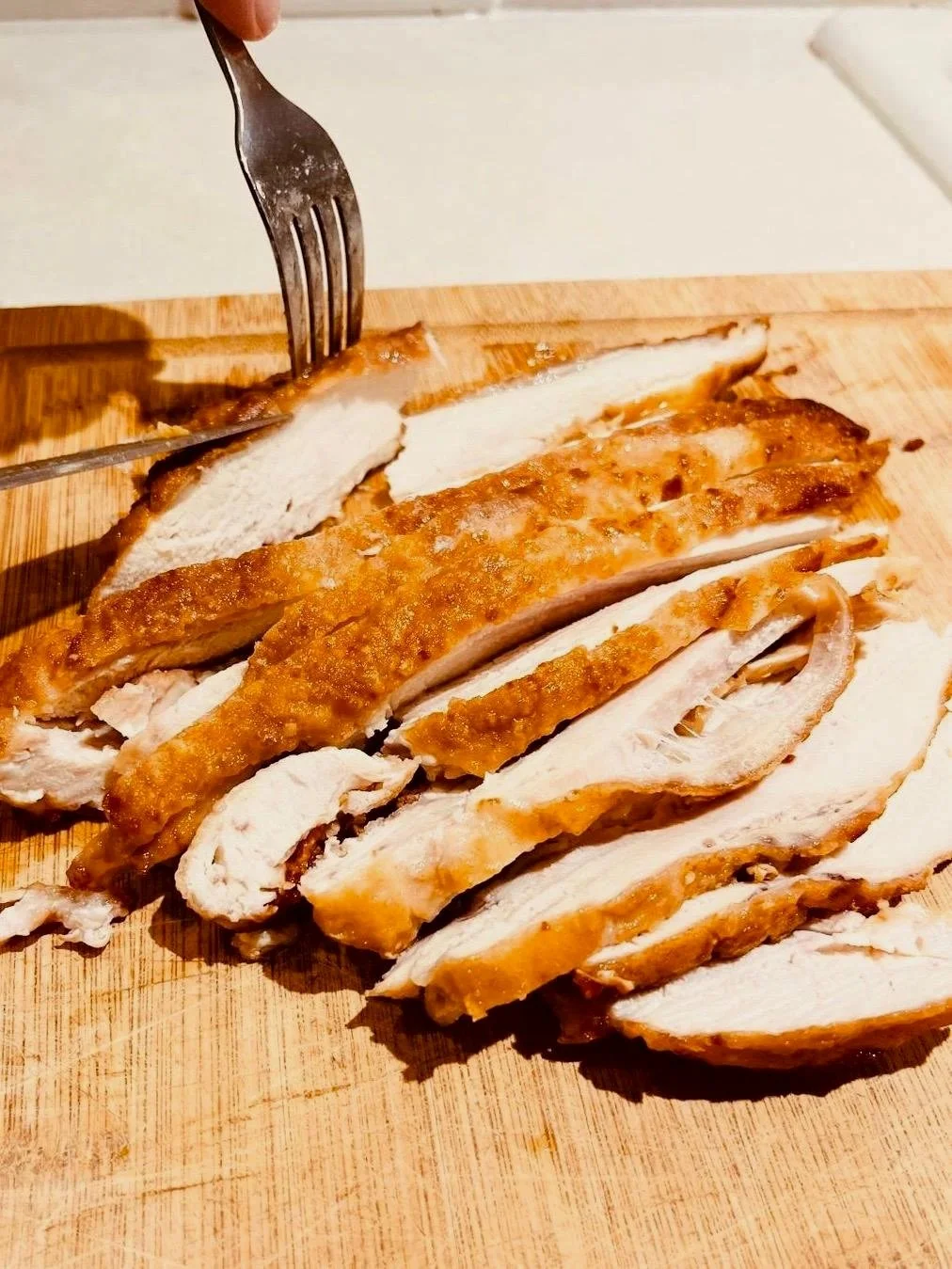
One of the biggest differences people notice is leanness.
Pasture-raised chicken generally has:
Less intramuscular fat
Thinner skin
Less retained moisture
Because of this, it tends to cook faster and can dry out if overcooked. Gentle heat and attention go a long way.

It Often Cooks Faster Than Grocery Store Chicken
Since pasture-raised chicken is leaner and not “plumped” with retained water, it usually reaches doneness more quickly.
A few practical tips:
Start checking doneness earlier than you normally would
Use a meat thermometer when possible
Remove chicken from heat as soon as it reaches safe temperature
Overcooking is the most common mistake first-time buyers make — and the easiest one to avoid.
Lower, Gentler Heat Works Best
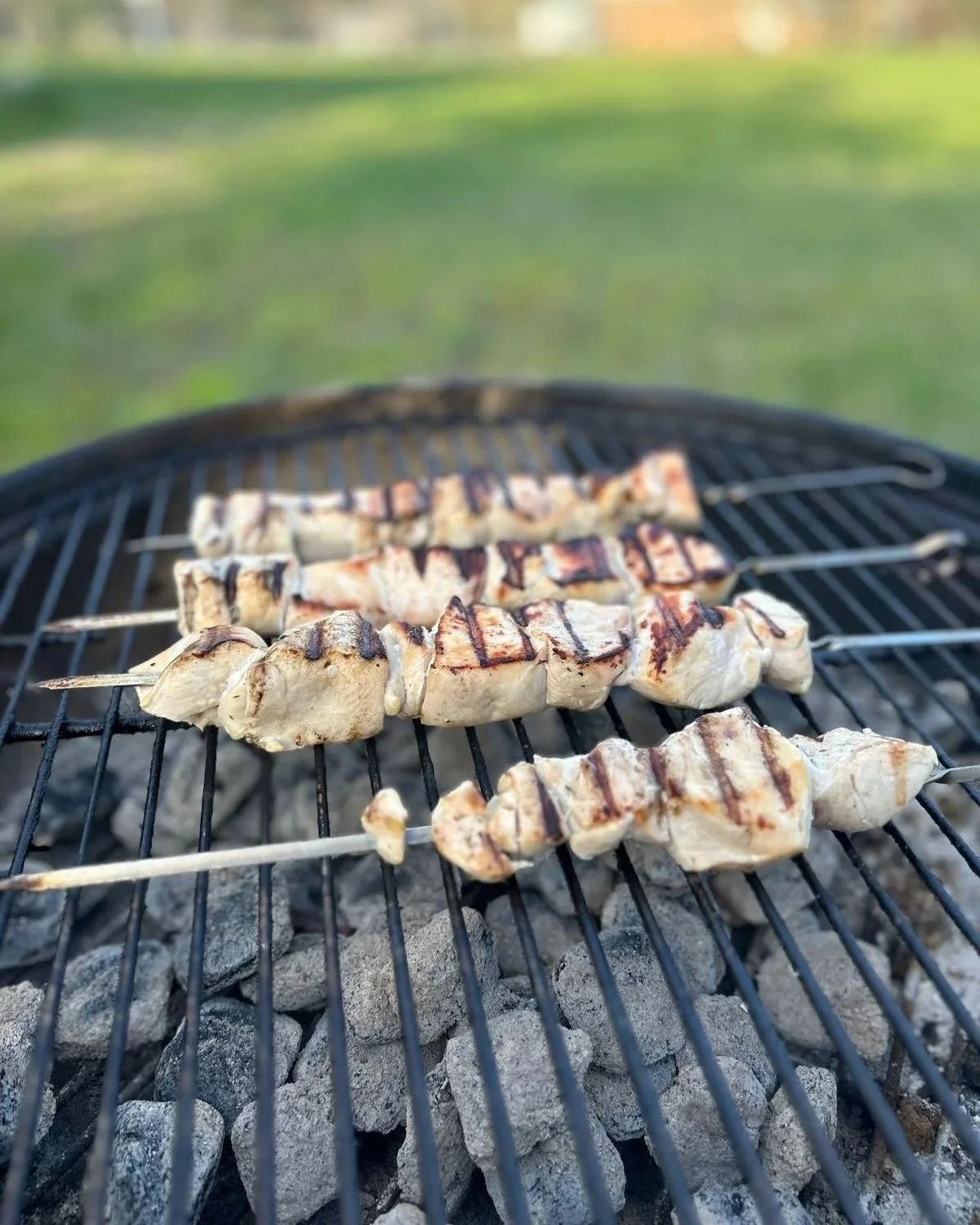
High heat can cause lean meat to tighten quickly, pushing moisture out.
Many people find better results by:
Cooking at slightly lower temperatures
Using indirect heat for larger cuts
Letting chicken rest briefly after cooking
These small adjustments help preserve moisture and tenderness.
Flavor Comes Through More Clearly
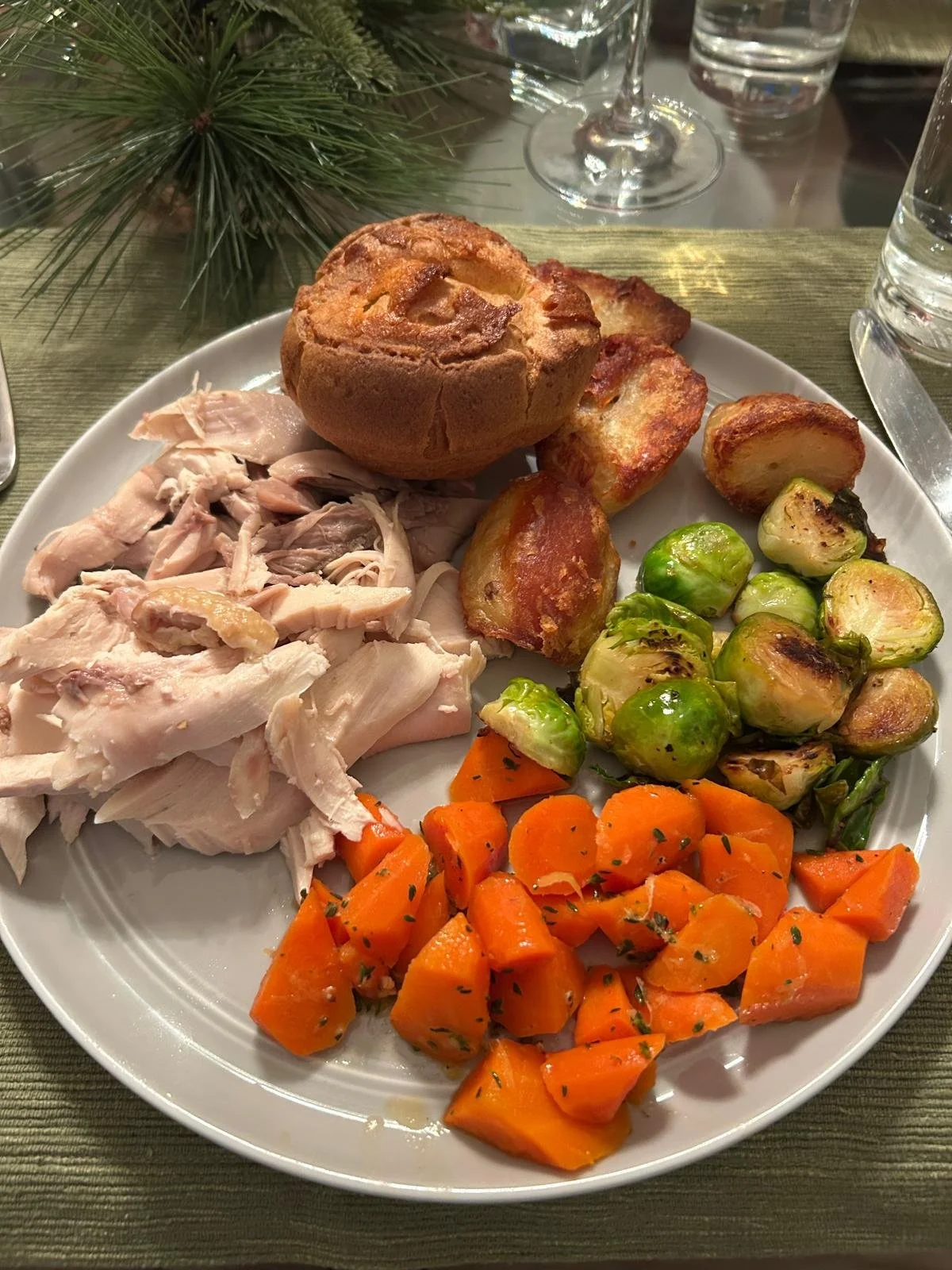
Pasture-raised chicken often has a cleaner, more distinct chicken flavor. Because of this, it doesn’t require heavy seasoning or marinades to stand out.
Simple preparations work well:
Salt and pepper
Fresh herbs
Light oils or butter
Letting the chicken speak for itself is often the best approach.
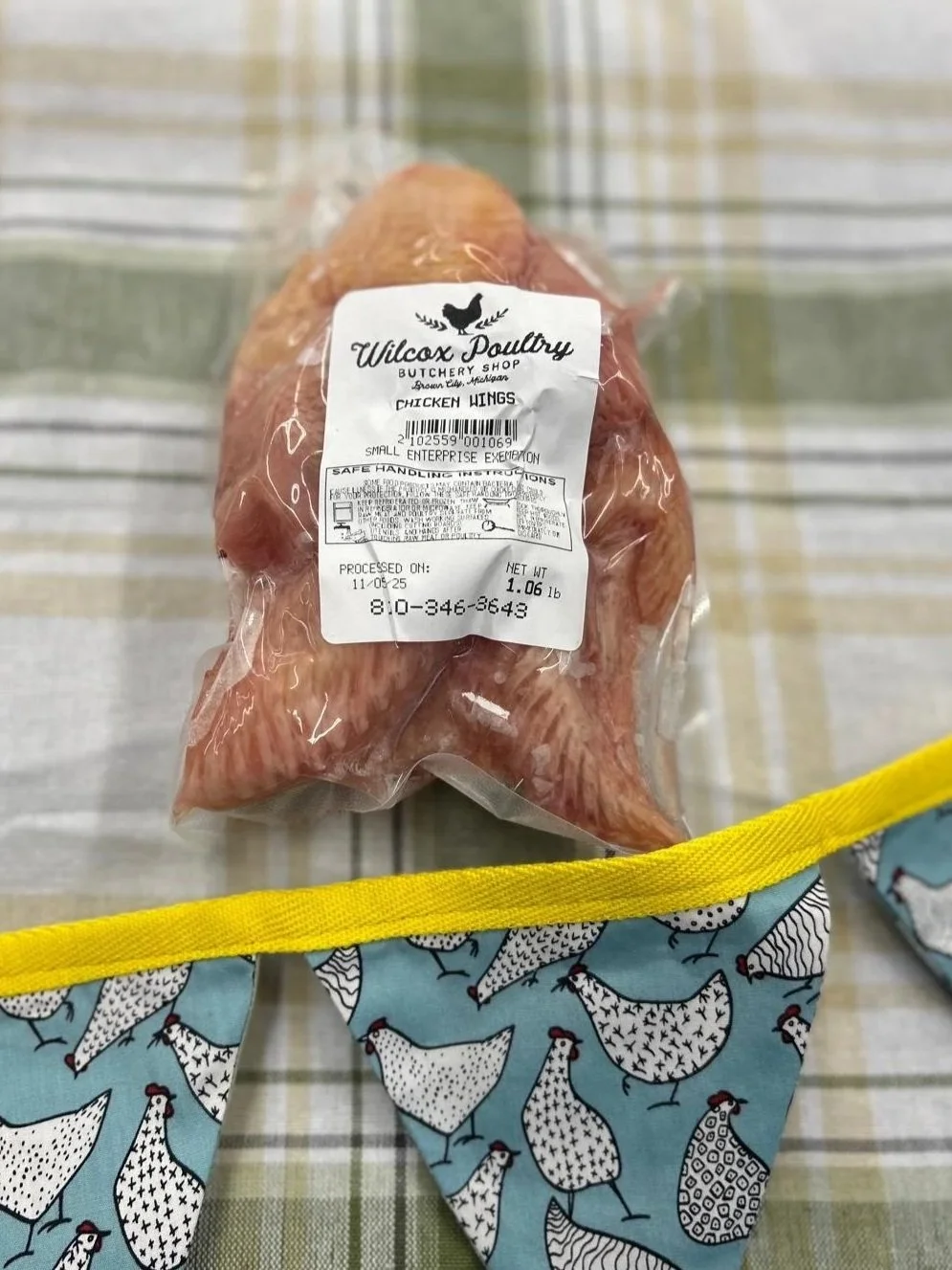
Size and Shape May Vary — That’s Normal
When buying directly from a farm, individual cuts may vary slightly in size or shape. This reflects natural growth rather than industrial standardization.
Cooking by:
Temperature
Texture
Visual cues
is often more reliable than strict timing.
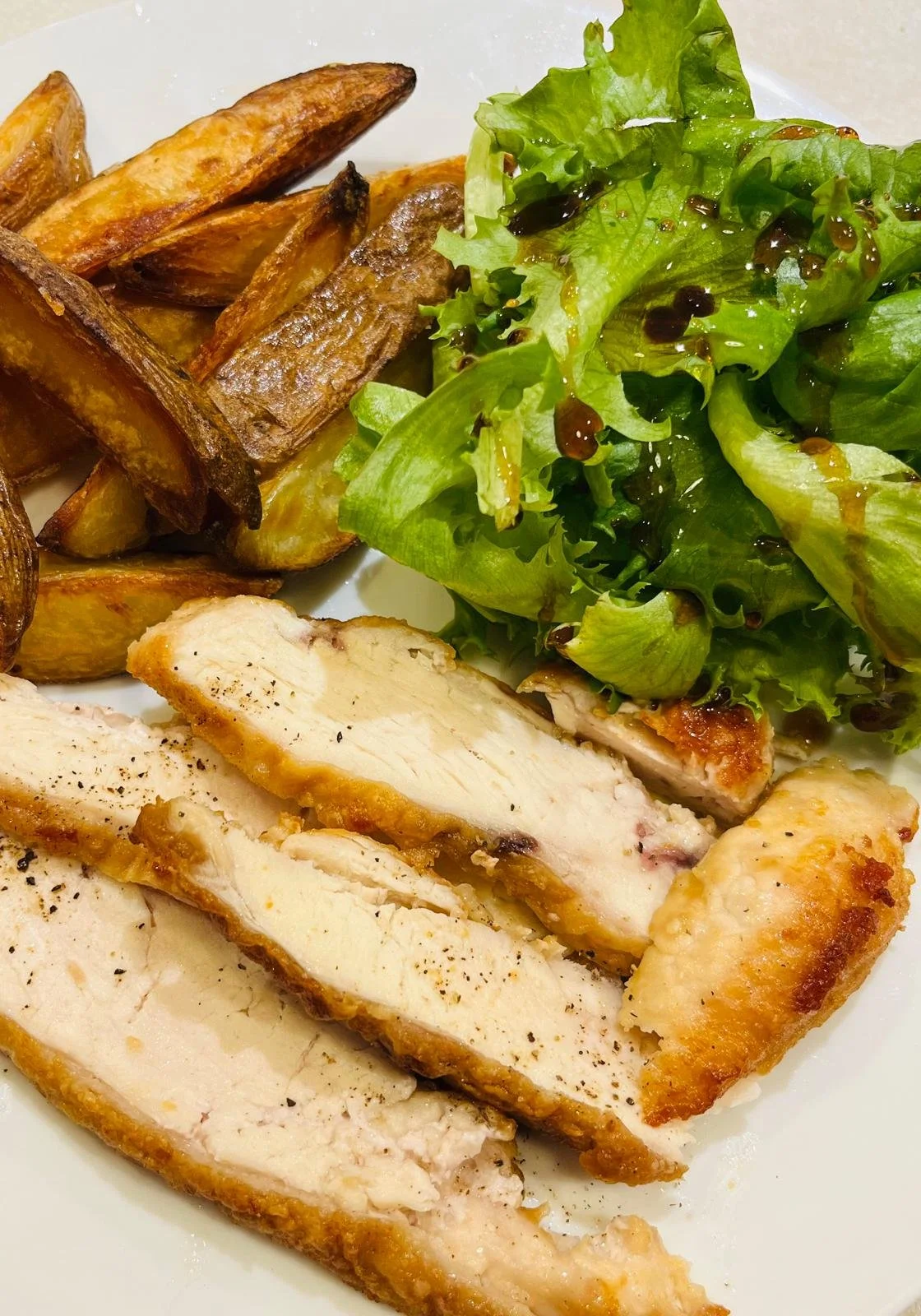
What This Means for Everyday Cooking
Once you adjust, cooking pasture-raised chicken becomes second nature.
Many customers find that:
They enjoy the flavor more
They waste less food
They feel more confident knowing how the chicken was raised
It’s a small learning curve with a worthwhile payoff.
(Internal link here → Is Pasture-Raised Chicken Worth It?)
Our Experience at Driftwood Pastures
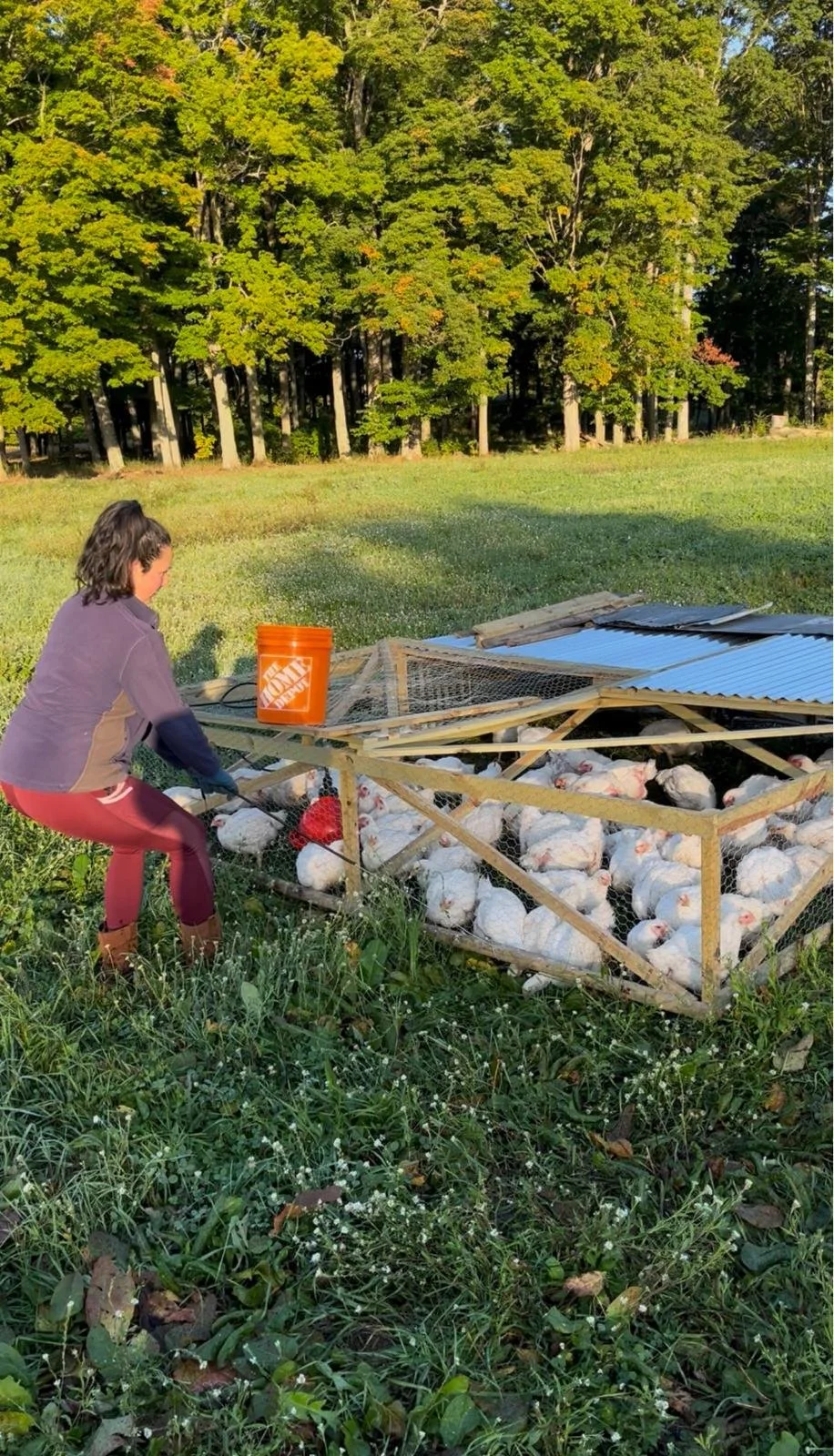
At Driftwood Pastures, we raise our chickens on pasture in Bellaire, Michigan, moving them regularly to fresh ground and allowing them to grow at a natural pace. The way they’re raised shows up not only in how they live, but in how they cook.
If you ever have questions about preparing our chicken, we’re always happy to help.
Frequently Asked Questions
-
It can if overcooked. Paying attention to temperature and using gentler heat helps keep it moist.
-
The fundamentals are the same, but it benefits from slightly lower heat and closer monitoring.
-
It may be slightly firmer due to activity, but proper cooking results in tender, flavorful meat.